We live in a world where almost everything is becoming digital. Money is stored in banking apps, investments can be managed from a smartphone, and transactions happen in seconds. As digital wealth continues to reshape the financial landscape, it has never been easier to build and manage a portfolio online.
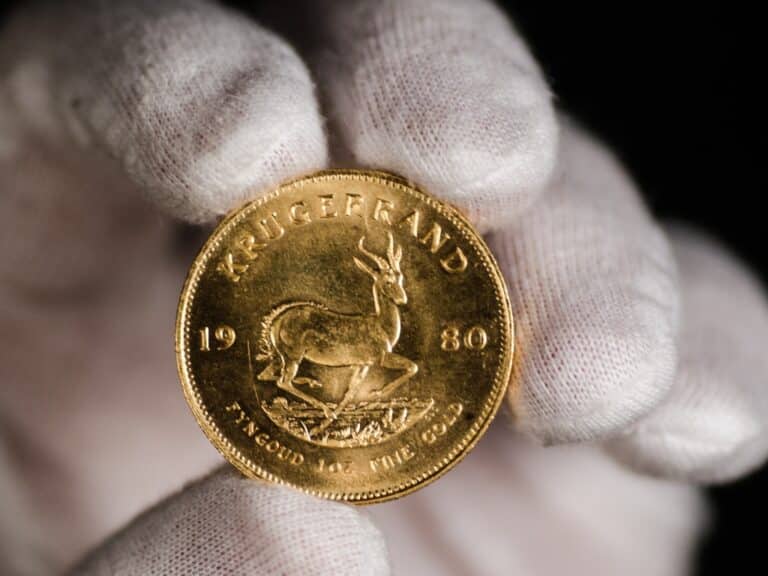
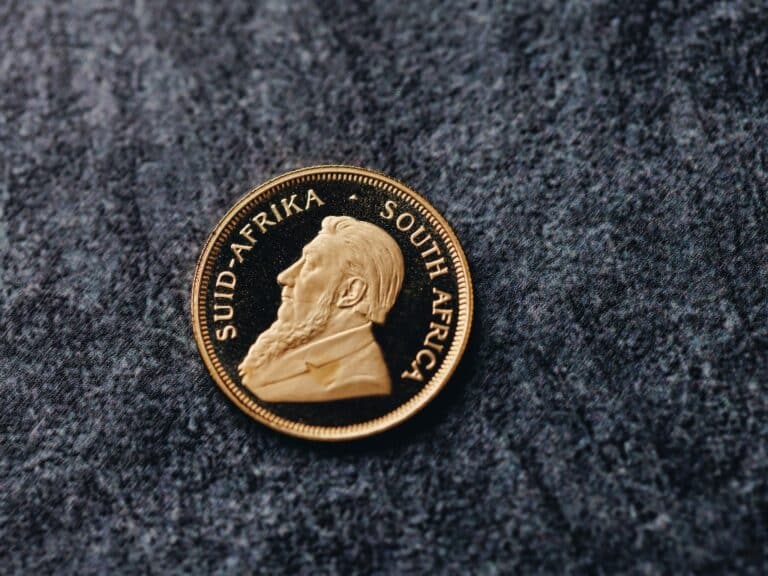
Yet despite these advances, one thing has remained unchanged: the value of owning something tangible. For centuries, Gold and Silver have been trusted as physical assets that can be held, protected, and passed from one generation to the next. In a world that is increasingly digital, their role remains just as relevant today.
Why Digital Wealth Has Changed the Way We Invest
The growth of digital wealth has transformed the way people think about investing. From shares and exchange-traded funds to cryptocurrencies and online investment platforms, today’s investors have access to more opportunities than ever before.
While these innovations offer convenience and accessibility, they also rely on systems that can be affected by technology, market sentiment, internet connectivity, regulatory changes, and cybersecurity.
This does not make digital wealth any less valuable. Rather, it highlights the importance of building a balanced portfolio that combines innovation with long-term stability.
Why Gold and Silver Continue to Hold Their Value
Unlike digital investments, Gold and Silver exist independently of technology platforms and financial systems. They are tangible assets with a finite supply, recognised around the world for their lasting value. Their enduring appeal comes from qualities that have remained consistent for generations. Gold and Silver are physically owned, globally recognised, highly liquid, and have historically preserved value through changing economic conditions.
For many investors, these characteristics provide reassurance. While markets, technology, and financial products continue to evolve, physical assets offer something that cannot be replicated on a screen: ownership you can see and hold.
Physical Assets and Digital Wealth Can Work Together
Building wealth today is not about choosing between physical and digital assets. In many cases, the strongest financial strategies include both. Digital wealth offers speed, accessibility, and exposure to emerging opportunities. Physical assets such as Gold and Silver provide balance through tangible ownership and long-term value preservation.
Rather than competing with one another, they can complement each other. One provides convenience and innovation, while the other offers resilience and stability through changing market conditions.
Why Gold and Silver Remain Relevant Today
While Gold is often recognised for preserving wealth, Silver brings its own unique strengths. Alongside its investment appeal, Silver also plays an important role in industries such as renewable energy, electronics, medical technology, and telecommunications.
Together, Gold and Silver continue to demonstrate why physical assets remain relevant in a modern economy. They are not simply reminders of the past but continue to serve practical and financial purposes in the present. As digital wealth continues to evolve, many investors still value the confidence that comes from owning assets with recognised global value and a long history of resilience.
Build a Balanced Portfolio with Mr K
Technology will continue to change the way we invest, but the importance of balance remains constant. Physical assets continue to play an important role alongside digital wealth, helping investors build portfolios designed for both opportunity and resilience.
Whether you’re looking to invest, sell, or simply learn more about Gold and Silver, our experienced team is ready to assist. With transparent guidance and trusted expertise, Mr K can help you explore the role physical Precious Metals can play in your long-term financial goals. Visit your nearest Mr K store or explore our online store to discover how Gold and Silver can become part of a balanced investment strategy.
DISCLAIMER: The material above was gathered from credible sources and was believed to be true at the time of writing. However, revisions since publication may have impacted its correctness. Such changes may occur without warning, and Mr K is not liable for any inaccuracies in the content of this post or how a reader interprets it.