We spend years building towards financial goals. A first home, a comfortable retirement, investments, and tangible assets that provide greater financial security and, perhaps, the ability to give our families opportunities we never had ourselves.
At some point, another question may enter the conversation:
What happens to everything we’ve worked for when it eventually passes into someone else’s hands?
Thinking about the wealth we build in this way encourages us to look further ahead, towards what we hope to preserve, pass on, and make possible for the generations that follow.
What Makes Tangible Assets Worth Passing On?
If an asset may one day be passed to your children or grandchildren, it helps to consider how well it could serve them in the future.
Longevity matters. So do recognised value, liquidity, portability, and the ability to transfer ownership. For many families, preserving purchasing power across longer periods may also be an important consideration.
Tangible assets bring physical ownership into the picture. Property, Precious Metals, and other physical holdings can be directly owned and, with careful planning, eventually passed to another person.
Gold is one option within this broader category. Its long history of recognised value and established global market have kept it relevant across generations, although its suitability will always depend on the individual investor and their goals.
Wealth Today, Legacy Tomorrow
The wealth we build during our lives can eventually serve a different purpose.
Early financial goals may centre around growing savings, investing, buying property, or preparing for retirement. Later, preserving what has been built and considering how it could benefit the next generation may become equally important.
This is the foundation of generational wealth, and it can encourage valuable conversations within families:
- What have we worked to build?
- Why have we made the financial choices we have?
- What would we like these assets to achieve in the future?
- What needs to be considered to preserve them responsibly?
For anyone exploring estate planning in South Africa, these conversations can sit alongside professional financial, legal, and tax advice when deciding how wealth should eventually be transferred.
Preparing the Next Generation
Leaving an inheritance is a deeply personal decision, and the conversations around it are not always easy to have.
Giving the next generation an understanding of the family’s assets, the thinking behind them, and the responsibilities that may come with ownership can help prepare them for what they may eventually receive.
A Gold coin inherited from a grandparent, for example, carries financial value. Knowing why that grandparent chose to buy it, how it was cared for, and why they decided to keep it can give the next owner valuable context for deciding what to do with it.
These conversations can help generational wealth carry knowledge forward alongside financial value.
Understanding Gold as a Tangible Asset
Among tangible assets, physical Gold has characteristics that may appeal to investors focused on preserving wealth across longer periods.
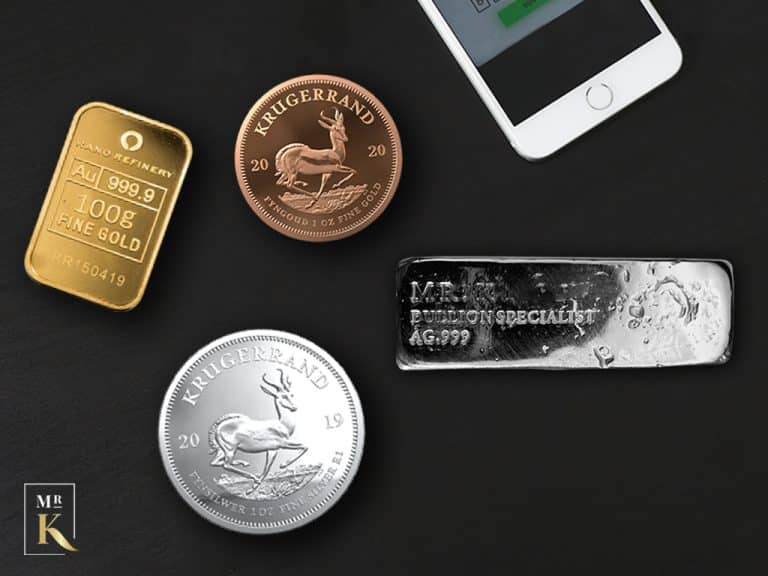
Gold has been valued for thousands of years and remains recognised around the world. Bullion and Krugerrands have identifiable weights and purities, can be physically owned, and can generally be bought or sold through established Precious Metal markets.
Physical ownership also means the asset exists independently of an app, account, or digital platform. With appropriate documentation and secure storage, Gold can be held for the future and eventually transferred to another owner.
These qualities can make Gold worth considering as one part of a diversified financial strategy.
Every investment carries risk, however, and Gold prices can fluctuate. Gold also does not generate interest or dividends in the way certain other investments can. Your financial goals, time horizon, existing portfolio, and appetite for risk should all inform your decisions.
Understanding these considerations can help you decide whether tangible assets align with your broader financial plans.
What Do You Want Your Wealth to Achieve?
Perhaps one of the most valuable questions we can ask about wealth has little to do with a number on a statement. It is simply: what do I want what I’ve built to do for the people who come after me?
There will be a different answer for every family.
At Mr K, our experienced team is here to help you understand Precious Metals, and whether physical Gold aligns with what you want to achieve now and in the years ahead.
If you’re considering tangible assets as part of the wealth you hope to preserve, visit your nearest Mr K store for knowledgeable, personalised guidance.
DISCLAIMER: The material above was gathered from credible sources and was believed to be true at the time of writing. However, revisions since publication may have impacted its correctness. Such changes may occur without warning, and Mr K is not liable for any inaccuracies in the content of this post or how a reader interprets it.