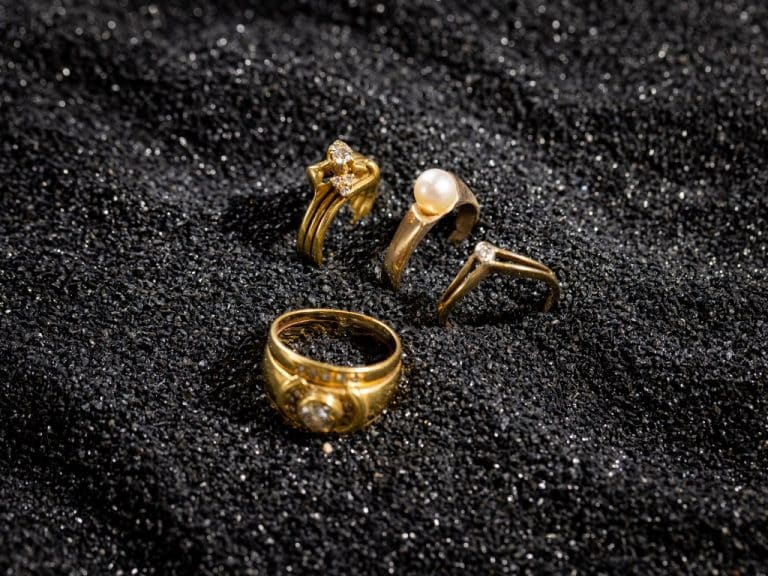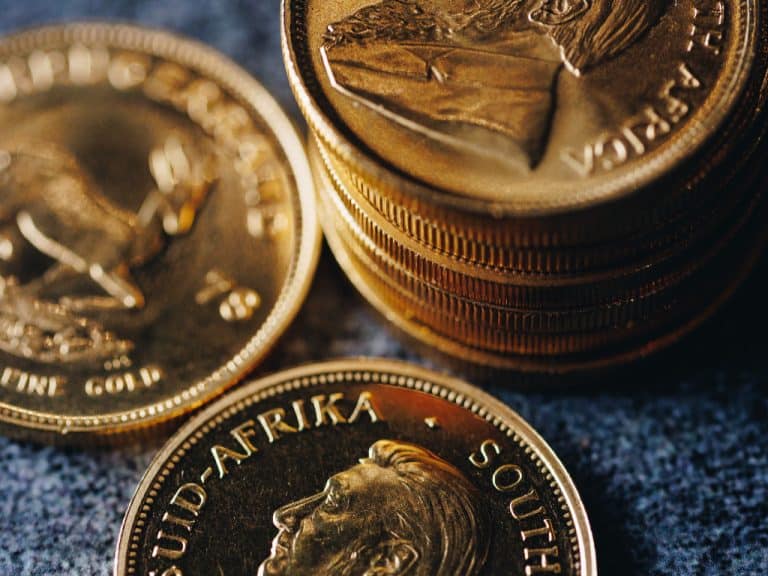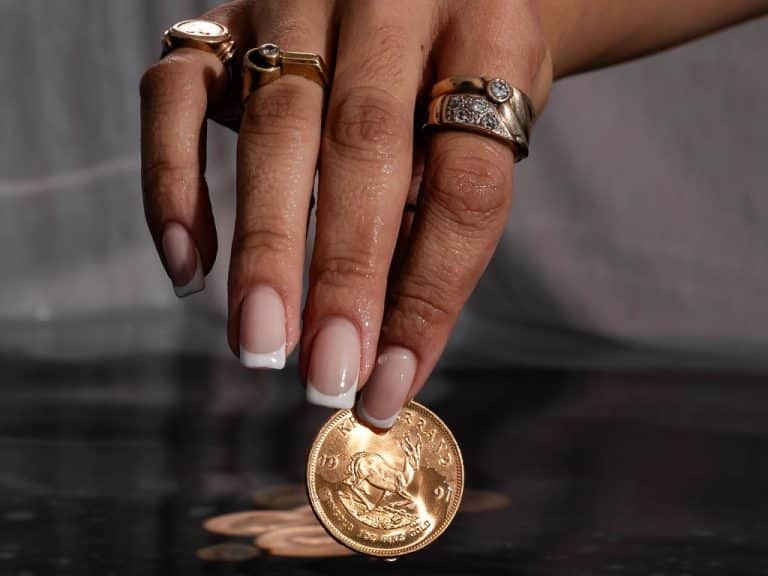
You might have more value tucked away in your Jewellery box than you realise. From broken chains and odd earrings to old 18-carat Gold rings and inherited Silverware, even items you no longer use could be worth a closer look.
With year-end expenses approaching, now’s a great time to find out what your unused Precious Metals are worth.
But what actually determines their value? From purity and weight to current market prices, here’s what you should know before selling your scrap Gold or Silver.
Your Broken Jewellery Could Still Be Valuable
Think about the Jewellery you no longer wear. Although those pieces may have lost their practical use, their Precious Metal content can still be recovered and refined.
This is known as intrinsic melt value, which is determined primarily by:
- Weight: The weight of the metal, excluding stones.
- Purity: The percentage of Gold or Silver in the item.
- Market price: The prevailing value of the metal.
For example, a broken 18-carat Gold bracelet still contains 75% Gold, assuming its purity hasn’t changed. Its damaged condition doesn’t automatically diminish the value of that Gold.
This is why second-hand Gold Jewellery can be worth assessing, regardless of its age, style or condition.
What Do Gold Carats Actually Mean?
You’ve probably noticed small numbers stamped inside rings or on Jewellery clasps. These are known as hallmarks and can indicate the purity of your Gold.
Gold is often mixed with other metals to improve its strength and durability. The carat system tells you how much pure Gold an item contains.
Here’s a simple breakdown:
| Gold Type | Gold Content | Common Hallmark |
|---|---|---|
| 9-carat Gold | 37.5% | 375 |
| 14-carat Gold | 58.5% | 585 |
| 18-carat Gold | 75% | 750 |
| 24-carat Gold | 99.9% or higher | 999 / 999.9 |
Let’s say you have a 10-gram 18-carat Gold chain. Based on its weight and purity, it contains approximately 7.5 grams of pure Gold.
That Gold content forms the basis of its intrinsic melt value.
Of course, a hallmark is only an initial indication. A professional evaluation helps confirm the item’s actual purity.
How Much Is 925 Silver Worth?
If your Silver Jewellery has a 925 stamp, it generally indicates sterling Silver.
Sterling Silver contains 92.5% pure Silver, with the remaining 7.5% usually consisting of other metals, commonly copper.
For example, a 100-gram sterling Silver item contains approximately 92.5 grams of pure Silver.
Its value will depend on the current Silver price, verified purity and recoverable weight.
Inherited Silver cutlery, serving dishes or decorative pieces? It’s worth having them checked, as solid sterling Silver and Silver-plated items have very different metal values.
How Is Your Gold or Silver Tested?
If you’ve never had Precious Metals evaluated, you might be curious about what happens during the process.
A professional assessment involves checking an item’s characteristics and establishing its Precious Metal content.
Depending on the item and the equipment available, testing methods can include:
- Hallmark inspection: Checking stamps such as 375, 585, 750 and 925.
- Specific gravity testing: Measuring density to help assess metal composition.
- Acid testing: Using a chemical reaction to estimate Gold purity.
- X-ray fluorescence (XRF) analysis: Using specialised equipment to identify the elemental composition of an item’s surface.
Some methods are non-destructive, while acid testing may require a small scratch or light abrasion. Each method has limitations, so additional checks may sometimes be necessary.
The aim is to establish the item’s purity as accurately as possible before determining its value.
How Are Scrap Gold and Silver Prices Calculated?
Once your item’s purity and weight have been established, the next factor is the market price.
Gold and Silver prices fluctuate throughout the trading day, influenced by international market activity and currency movements.
Dealers use these prices as a reference when calculating the value of your Precious Metals.
For example, the estimated intrinsic metal value of 18-carat Gold can be calculated as follows:
Item weight × 75% × Gold spot price per gram = estimated intrinsic Gold value
If your Jewellery weighs 10 grams, the calculation is based on approximately 7.5 grams of pure Gold.
However, the amount you’re offered for your item may differ from its theoretical melt value.
A dealer’s purchase price can account for:
- Refining and processing costs
- The recoverable Precious Metal content
- Non-Precious Metal components, including stones
- The dealer’s buying margin
These factors help explain why an online Gold price calculator may produce a different figure from an actual purchase offer.
Discover What Your Precious Metals Are Worth at Mr K
You don’t need to know the weight, purity or current market price of your Jewellery before bringing it in for an evaluation.
If you’ve been holding onto broken chains, unwanted rings, inherited Silver or other second-hand Gold Jewellery, Mr K can help you understand their potential value.
Our expert team provides professional, transparent evaluations and competitive, market-related rates, with no obligation to sell.
Ready to explore what your Gold or Silver could be worth? Visit your nearest Mr K store for a complimentary evaluation.
DISCLAIMER: The material above was gathered from credible sources and was believed to be true at the time of writing. However, revisions since publication may have impacted its correctness. Such changes may occur without warning, and Mr K is not liable for any inaccuracies in the content of this post or how a reader interprets it.